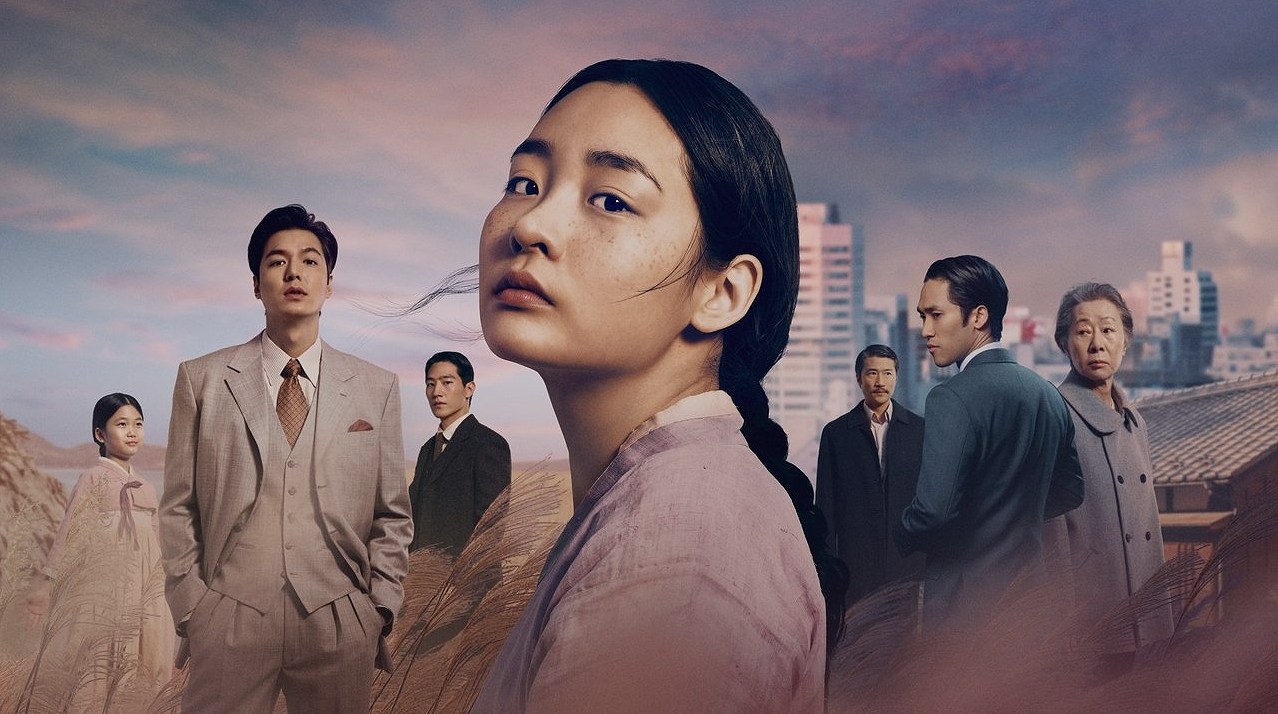
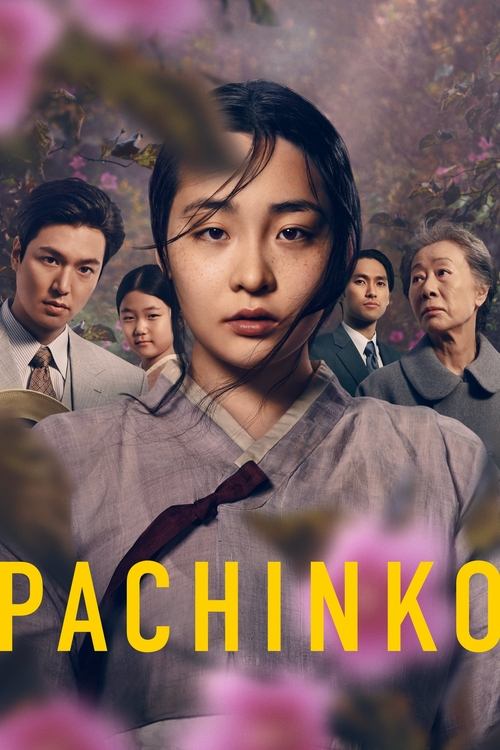
When 'Pachinko' first premiered in 2022, it was not just another series on a streaming platform; it was an epic that challenged the limits of multi-generational storytelling, seamlessly blending language, culture, and eras. From Min Jin Lee's famous novel to the small screen, brimming with heart and pain, this series immerses us in the lives of a Korean immigrant family facing oppression, hope, and the struggle to survive in Japan and America.
Plot Summary (No Spoilers)
The story begins in 1910, Korea, under Japanese occupation. Sunja (Kim Min-ha), a young Korean woman, becomes pregnant out of wedlock by a wealthy but married man. She decides to accept the proposal of Isak, a Christian minister who agrees to marry her and take her to Japan. This decision marks the beginning of her family's arduous journey. The series is told in a non-linear timeline, alternating between the past in colonial Korea and Japan, and the present in 1989, where Solomon (Jin Ha), Sunja's grandson, works as a banker in New York and Tokyo, striving to make a name in the business world amidst ethnic prejudice.
Acting and Characters
One of Pachinko's greatest strengths is the flawless performances of every cast member. Kim Min-ha as young Sunja conveys both tenderness and resilience remarkably. Meanwhile, Oscar-winning actress Youn Yuh-jung portrays elderly Sunja with powerful, nuanced emotion. Jin Ha as Solomon shows the inner conflict of a new generation trying to achieve success in a society that never truly accepts him. Soji Arai as Mozasu, the middle son, is another standout character with a warm and steady performance.
Direction, Cinematography, and Music
Pachinko, directed by Kogonada and Justin Chon, elevates the series with stunning, painterly visuals. Every frame is meticulously composed, from the rural landscapes of Korea to the streets of Tokyo and New York. Lighting and color tones shift meaningfully across eras. The score by Nico Muhly, along with original theme songs like 'Let's Live for Today' by Korean artist Grass, creates an atmosphere that is both melancholic and warm. The cross-temporal editing is fluid, helping viewers naturally connect past and present.
Editorial Analysis
Pachinko is not just a family story; it is a mirror reflecting the history of immigration and discrimination that remains relevant today. The series questions what 'home' means and whether sacrifice for family is worthwhile. Using 'Pachinko' (Japanese pinball) as a symbol of life dependent on chance and fate, where players have little control, mirrors the plight of immigrants oppressed by society. The editorial team praises the complex and bold storytelling, especially for not reducing the characters' pain to superficial sentiment. The series also emphasizes the importance of language and stolen identity, prompting viewers to question the meaning of belonging.
Verdict
Pachinko is a must-watch series for those who love sophisticated storytelling and deep acting. Despite its slow pace and heavy content, the emotional reward you receive is well worth the time investment, especially if you are interested in history, identity, and the meaning of family.
Screenshots


👍 Pros
- +Excellent performances from every character, especially Kim Min-ha and Youn Yuh-jung
- +Beautiful cinematography and music create a powerful atmosphere
- +Profound content deeply reflecting history and society
- +Fluid and engaging non-linear storytelling
- +Cinematic production with meticulous attention to detail
👎 Cons
- −Slow pacing may not appeal to those who prefer fast-paced stories
- −Some parts may be heavy and depressing for those who dislike drama
- −Few episodes per season (8 episodes) causing some topics to be condensed or skipped
Top Cast




FAQ
Currently 2 seasons, totaling 16 episodes. Season 1 released in 2022, Season 2 in 2024.
No, it is based on the best-selling novel by Min Jin Lee, inspired by the history of Korean immigration in Japan.
Only on Apple TV+.
Yes, Thai subtitles are available, and some Thai dubbing in the first season.
Suitable for adults due to historical content, violence, and complex social issues.